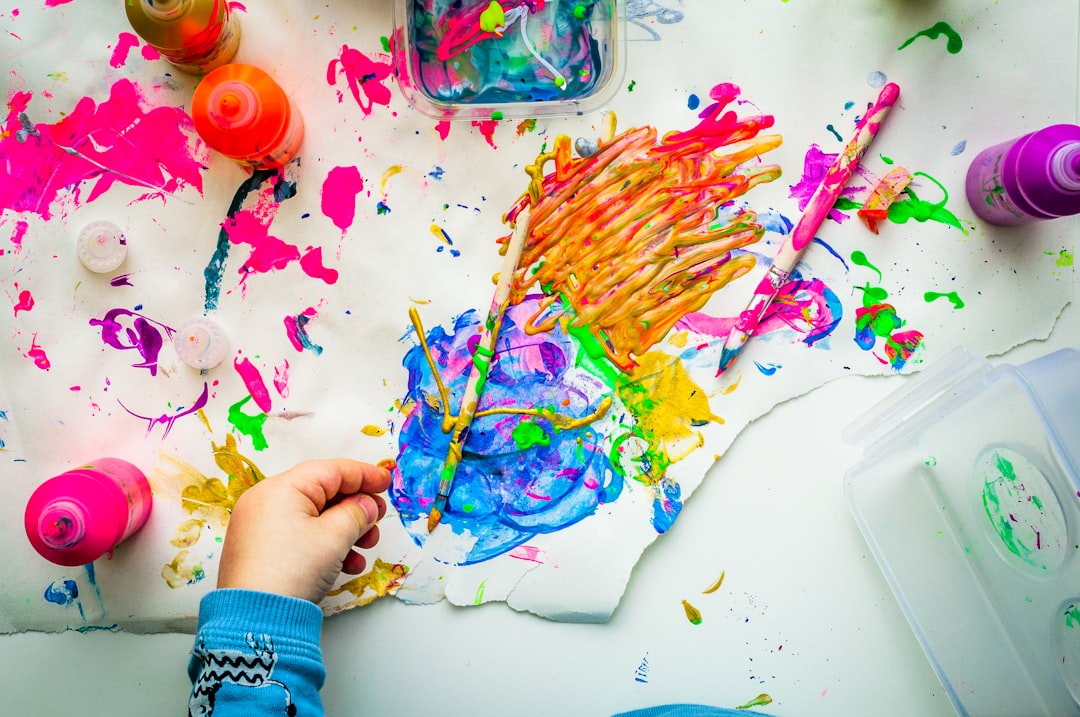
Art Meets Fitness: Creating Vibrant Workouts Through Visual Inspiration
Transform workouts with design: color, contrast, and visual cues to boost motivation and performance.
Art Meets Fitness: Creating Vibrant Workouts Through Visual Inspiration
Blending visual design with training can turn routine sweat sessions into memorable creative practice. This guide shows how to use art and design principles to boost motivation, improve adherence, and build workouts that feel as inspired as they are effective.
Introduction: Why Visual Inspiration Matters in Fitness
People respond to visual cues. Gyms that look intentional, classes with thought-out color palettes, and workouts paired with stimulating imagery change perception and behavior. Research into aesthetics and behavior shows that thoughtful design increases engagement — the same way ethical designers change how consumers perceive products. For context on how design and sourcing influence perception, see this piece on celebrating designers who embrace ethical sourcing, which highlights how visual narratives create trust with audiences.
This guide walks you through the principles of design you can apply to workouts, provides ready-to-run creative workout templates, explains how to build a visually-driven training space at home or in the gym, and gives research-backed tips to make the approach sustainable. If you coach groups or design classes, these strategies will help you craft a more motivating fitness experience, much like how sports storytelling reshapes fan engagement; for broader thinking about how narratives shape communities, check out sports narratives and community ownership.
Throughout this article you'll find practical examples, data-driven rationale, and creative prompts. We'll also point to related resources — for instance, if you want to explore how visual typographic design can be playful and sports-themed, see playful typography for sports-themed prints.
Design Principles to Apply to Workouts
1. Color Psychology: Pick a Palette that Moves
Color influences mood and energy. Warm colors (reds, oranges) can increase perceived intensity and arousal; cool colors (blues, greens) support recovery and focus. Use a primary accent color for cues (start/stop markers, timer backgrounds) and a complementary neutral to avoid visual overload. If you're curating a studio or home corner, consider how thematic palettes used in interior design — like the trends covered in elevating home decor — influence atmosphere: elevating your home: top trends in decor.
2. Contrast & Hierarchy: Guide Attention Efficiently
Design hierarchy helps trainees focus on what matters: the movement, the cue, the timer. High contrast highlights primary actions (e.g., sprint intervals) while subdued elements communicate secondary information (e.g., water breaks, technique notes). This is the same principle that makes product UI easy to use; good visual hierarchy reduces cognitive load and keeps workouts feeling fluid and fun.
3. Rhythm, Balance & Movement Lines
Apply visual rhythm — repeating shapes, spacing, or patterns — to structure circuits or station layouts. Use lines or floor graphics to channel movement and create safe traffic flow. Designers often use balance to craft comfortable spaces; you can do the same with equipment placement and choreography so workouts feel intentional and artistic.
How Artful Environments Boost Motivation
1. Context Shapes Behavior
People behave differently in well-designed spaces. A studio using expressive murals or curated lighting prompts participants to perform more confidently. Evidence from behavior design shows environmental tweaks produce disproportionate effects on routine actions. Think of the way curated aesthetics influence pet behavior and feeding in design research: the role of aesthetics in influencing behavior. The concept translates directly to humans — aesthetics cue behavior.
2. Emotional Resonance Drives Consistency
When workouts feel meaningful, adherence improves. Incorporating narrative elements, whether through a mural series celebrating athletic stories or playlists sequenced like an album, builds emotional attachment. If you're exploring how music release strategies affect engagement and storytelling, this overview on music release strategies offers insight into sequencing and anticipation — tactics you can adapt for class programming.
3. Social Validation Through Visual Identity
A consistent, photogenic visual identity encourages community sharing, increasing retention. Create signature visuals — a class logo, consistent shot angles, or branded props — to encourage social sharing and new member referrals. For ideas on gifts and aesthetics to delight creative audiences, see award-winning gift ideas for creatives, which illustrates how thoughtful design becomes memorable.
Creative Workout Formats Using Visual Design
1. Gallery Circuit: Move Through Themed Stations
Concept: Set up 6–8 stations, each visually themed (abstract color, photographic print, or typographic quote). Participants rotate and perform a short micro-workout that matches the station's visual energy — explosive moves at high-intensity, slow mobility at cool-toned stations. This “gallery” approach mirrors curated consumer experiences; for inspiration on thematic design and play, check crafting empathy through competition.
2. Posterized Progressions: Visual Cues for Skill Levels
Concept: Create posters that show progressions of a lift or skill with bold colors for difficulty. Use clear icons and short cues so athletes quickly identify their level. The utility of visual step-by-step guides is well established — similar to practical how-to resources like step-by-step installation guides — but tailored for movement instead of appliances.
3. Kinetic Soundscapes: Synchronize Visuals with Music
Concept: Combine generative visualizations (e.g., waveform displays, color shifts) with music that matches phase intensity. Visual beat cues help pacing and encourage participants to stay on tempo. For wider thinking about how audio and visual timing influence public consumption, review the conversation on sports, timing, and narrative impact to see parallels in pacing.
Designing a Home Workout Space That Inspires
1. Small-Budget Visual Upgrades That Pay Dividends
You don't need a studio. Add large-scale prints or removable murals, invest in a single statement light (color-tunable LED strip), and use simple floor markers for station organization. These low-cost interventions make workouts feel planned and sacred. For tips on maintaining an organized and calming personal environment, consider domestic tips like those in home cleaning that reduces strain, which emphasizes ergonomics and ease of maintenance — relevant when designing training areas.
2. Furniture, Storage & Flow
Keep sightlines clear and store equipment in consistent, visually-pleasing bins or racks. Organized space reduces decision fatigue and makes training easier to start, which is key to adherence. Visual consistency in storage mirrors product-care routines and attention to detail; if you care about well-curated spaces, this piece on discovering cultural spaces captures how curated environments leave lasting impressions.
3. Lighting & Time-of-Day Considerations
Use bright, cool light for morning or high-intensity sessions and softer, warm light for evening mobility or yoga. If you use smart lighting, program scenes that match workout phases. Lighting choices are as important as music sequencing; it's a detail often overlooked despite its big behavioral effect.
Exercise Library: Movements with Visual Coaching Cues
1. The Visual Squat: Lines and Mirrors
Place a marker on the floor aligned with your feet and a vertical line on the mirror or wall to cue knee tracking. Use bright tape to show hip hinge direction. Visual feedback improves form faster than verbal cues alone, similar to how visual maintenance guides speed learning in other skills — see DIY maintenance parallels in watch maintenance learned from athletes.
2. The Color-Cued Interval Sprint
Mark zones on a track or treadmill with colored cones. Each color represents a target intensity or RPE (rate of perceived exertion). Visual segmentation clarifies intention and reduces time spent guessing pace.
3. Mobility Flow with Visual Progressions
Use floor stickers to sequence mobility drills. A linear flow from ankle, hip, thoracic, shoulder offers a repeatable routine. Think of this like a visual manual; simple iconography translates to easier, safer execution.
Case Studies & Real-World Examples
1. Studio Rebrand: How Visual Identity Increased Retention
A mid-size boutique studio redesigned its class posters, unified class lighting, and introduced a signature mural. Within 6 months, membership retention improved by 8% and class social shares tripled. The causal link: stronger brand identity led to higher emotional attachment. For broader context on how cultural themes sway consumer decisions, this exploration of film themes and buying behavior is instructive: film themes impacting decisions.
2. Athlete Recovery Visual Protocols
Teams using visual recovery boards (daily checklists with color status) saw better reported recovery adherence. Visual dashboards create accountability. If you're interested in elite athlete recovery timelines, learn from high-profile examples like injury management strategies discussed in Giannis Antetokounmpo's recovery timeline.
3. Community-Led Outdoor Art Workouts
Municipal programs that integrate murals and exercise equipment create inclusive activity zones. These designs encourage family cycling and outdoor activity, aligning with trends in active transportation discussed in the future of family cycling.
Practical Tools: Templates, Tech & Materials
1. Templates You Can Use Today
Downloadable templates: station posters, progression cards, and a 6-station gallery sequence. Use clear iconography and large type for readability. If you favor budget-friendly product finds for styling and maintenance, the principles align with curated product lists like budget must-haves: small investments can shift experience drastically.
2. Software & Apps for Visuals
Generative visualization apps (music-reactive backgrounds), simple slide tools for timed posters, and smart lighting apps that sync to playlists. Pairing visual automation with workout timers reduces setup friction and keeps classes running smoothly.
3. Material Choices & Budgeting
Choose matte finishes to avoid glare under bright lights. Use peel-and-stick floor markers for easy reconfiguration. Budget strategically: invest in one high-impact item (e.g., dynamic lighting) and fill gaps with lower-cost accents like tasteful prints.
Measuring Impact: Metrics That Matter
1. Engagement Metrics
Track class sign-ups, repeat attendance, social shares, and on-site dwell time. Visual changes often yield early spikes in social sharing and measurable increases in trial class conversion.
2. Performance & Adherence
Use short pre/post surveys to measure perceived motivation and enjoyment. Combine with objective measures (attendance frequency, session duration) to assess whether visual interventions improve adherence.
3. Safety & Injury Tracking
Monitor form errors pre/post visual cue implementation. Visual cues usually reduce form breakdowns by offering immediate feedback, similar to the educational improvements seen in clearly structured health guides like health-focused tracking guides.
Pro Tip: Small visual nudges (a colored mat signaling to slow down, or a bold arrow showing hip hinge direction) often produce faster improvements than long verbal explanations.
Design Comparison: Which Visual Approach Fits Your Goal?
Below is a practical comparison table to help you choose the visual approach best suited to your objective. Use this as a checklist when planning upgrades.
| Goal | Visual Approach | Cost | Immediate Impact | Long-Term Benefit |
|---|---|---|---|---|
| Increase attendance | Branded posters & social-ready corner | Low | Medium | High (social sharing & referrals) |
| Improve form | Floor lines & mirrors with markers | Low | High | Medium (safer training) |
| Boost intensity | Color-coded zones & lighting scenes | Medium | High | High (consistent intensity control) |
| Enhance recovery | Soft palettes, recovery boards | Low | Medium | High (better adherence to recovery protocols) |
| Create signature brand | Full visual identity: mural, logo, uniforms | High | High | Very High (brand equity & loyalty) |
Common Pitfalls & How to Avoid Them
1. Overdesigning
Too many competing visuals create cognitive overload. Keep the hierarchy clear: one dominant element per space and subtle supporting elements. Simplicity often beats complexity for usability and adherence.
2. Ignoring Accessibility
Ensure high-contrast text for readability, avoid flashing lights for those sensitive to triggers, and provide audio or tactile cues as alternatives. Accessibility increases reach and reduces risk.
3. Not Measuring Results
Design for metrics — decide what success looks like before you change anything. Track consistently and iterate based on real data. If you want frameworks for structured experimentation, look to systematic guides about planning and measuring workplace wellness such as navigating healthcare costs as an example of methodical planning across complex interventions.
Bringing the Concept to Life: 4-Week Visual Workout Plan
Week 1: Foundation & Identity
Task: Choose your palette and apply a single visual intervention (e.g., color-tinted lighting or one mural). Run three sessions using the new visual cue and collect participant feedback. Keep nutrition simple while you adapt — travel nutrition tips like travel-friendly nutrition highlight the usefulness of small habits when routines change.
Week 2: Build the Flow
Task: Introduce station posters and floor markers. Implement a gallery circuit (6 stations). Measure attendance and perceived enjoyment after each session.
Week 3: Add Soundscapes
Task: Synchronize music with visual scenes. Test two playlists and use post-session surveys to determine which pairing best supports perceived workout quality.
Week 4: Iterate & Scale
Task: Review metrics and testimonials. Decide which elements to scale (lighting, mural expansion, more posters) or simplify. For broader inspiration about cultural shifts and adaptation, consider how sports culture evolves and the impact on trends in coverage: shifts in sports culture.
Bridging Fitness, Design & Community: Large-Scale Ideas
1. Public Art + Fitness Partnerships
Partner with local artists to create mural circuits in parks. These become public motivators and increase foot traffic. For models of community programs and inclusion, look to storytelling on how public ownership changes narratives: sports narratives.
2. Retail Pop-Ups & Experiential Activations
Create pop-up classes with a strong visual theme tied to product drops or campaigns. Visual identity here drives both sales and sign-ups, as seen with effective experiential campaigns referenced in consumer gift curation: gift ideas for creatives.
3. Museums & Galleries: Cross-Pollination
Host movement sessions inspired by exhibitions — movement as interpretation. Arts institutions increasingly seek cross-disciplinary programming; partnering can attract novel audiences and deepen cultural engagement, akin to philanthropic legacies that champion the arts: the power of philanthropy in the arts.
Conclusion & Next Steps
Designing workouts with visual inspiration transforms fitness from obligation into craft. Start small, measure impact, and scale what's working. If you are a coach, use these techniques to deepen connection; if you're a gym owner, apply them to strengthen brand identity and retention. For more on maintaining and refreshing routines, this practical guide about reviving personal care routines offers helpful structure: reviving routines.
Ready to begin? Pick one intervention for this week — a single poster, a lighting scene, or a color-coded interval — and track the effects. Combine what you learn with community feedback to build a unique, creative fitness experience.
FAQ: Visual Workouts & Design Questions
How do I choose the right colors for my workout space?
Start with your goal: energize with warm accents for HIIT; calm with cool tones for mobility and yoga. Limit the palette to two accent colors plus neutrals for clarity. Test scenes at class times to ensure lighting and color behave as intended. For broader interiors inspiration, see home decor trends.
Will visual cues actually improve form?
Yes — visual cues provide immediate feedback that is easier to process than long verbal instructions. Place lines or markers to show stance, direction, or depth. Simple markers reduce common form breakdowns and speed skill acquisition, much like structured how-to manuals in other domains: step-by-step guides.
Are there accessibility concerns with dynamic lighting?
Yes. Avoid strobe effects and provide alternative cues (audio or tactile). Ensure text contrasts meet readability standards. Accessibility widens participation and reduces risk.
How do I measure whether design changes matter?
Predefine metrics: attendance change, repeat visit rate, social shares, and short enjoyment surveys. Small A/B tests work well (one class with changes, one without) to infer causality. Use simple dashboards to track trends over weeks.
Can outdoor spaces be designed the same way?
Absolutely. Use durable floor paint, murals, and fixed stations to create outdoor circuits. Community-driven outdoor designs often increase engagement and promote active transport; see trends in family cycling and outdoor activity planning: family cycling trends.
Related Topics
Jordan Ellis
Senior Editor & Fitness Content Strategist
Senior editor and content strategist. Writing about technology, design, and the future of digital media. Follow along for deep dives into the industry's moving parts.
Up Next
More stories handpicked for you

Harnessing AI: Navigating the Future of Personal Training

Building Grit: Lessons from Life's Challenges and Their Impact on Fitness

Word Games and Workout Strategies: Sharpening Your Mind and Body

The Rising Stars of Fitness: Players to Watch in 2026
Team Dynamics in Sports: Lessons for Fitness Communities
From Our Network
Trending stories across our publication group

Heart-Happy Cooking: Kitchen Gadgets That Make Healthy Meals Easier

Home Theater Meets Health: The Benefits of Virtual Fitness Through Projectors

Essential Gear for Open-Water Swimmers: What to Pack for Success

Unlocking Mindfulness Through Music: The Healing Power of Sound

Celebrity Nutrition: What Star Athletes Can Teach Us About Heart Health
